

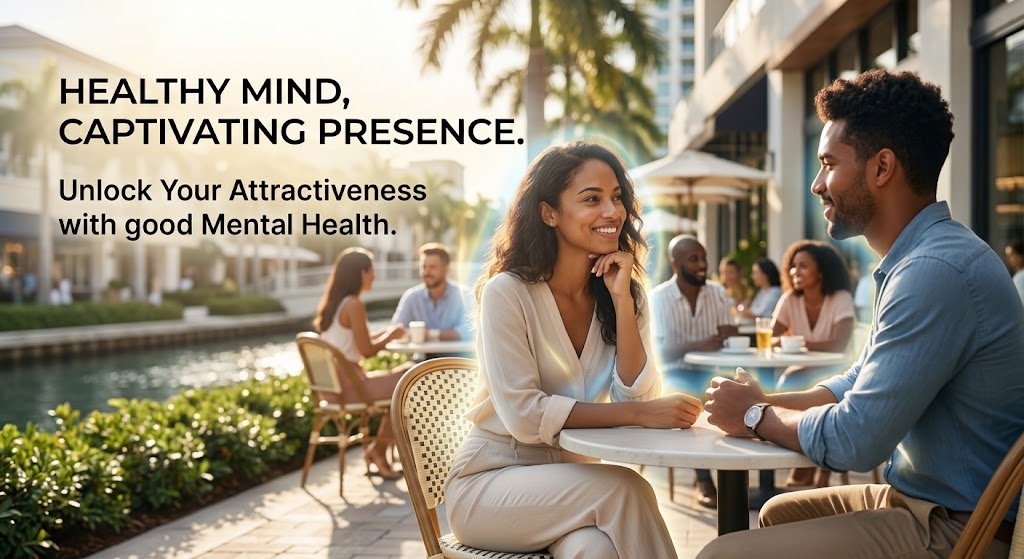
When we think about what makes someone attractive, good looks, a nice smile, and great style usually come to mind first. But psychological research shows that physical appearance is only part of the story. Real, lasting attraction—the kind that makes people genuinely want to be around you—comes down to your mental health, emotional stability, and self-confidence.
Human beings are naturally great at picking up subtle cues. When you are stressed out, anxious, or feeling bad about yourself, people notice it in your body language, tone of voice, and facial expressions without even realizing it. On the flip side, good mental health projects warmth, confidence, and peace of mind. By taking care of your emotional well-being, you naturally become more appealing to everyone around you.
Taking care of your mind isn’t just good for you internally—it’s one of the best ways to boost your social life and build strong relationships.
1. Why Good Mental Health Makes You More Attractive
The link between your mind and your overall appeal isn’t magic; it comes down to simple human behavior and how we connect with each other.
The “Good-is-Beautiful” Effect
For years, people talked about the “halo effect”—the idea that if someone looks good, we automatically assume they have a great personality. But psychologists have found that the reverse is just as true: when someone is kind, emotionally stable, and easy to talk to, we naturally start viewing them as more physically attractive. Good mental health leads to friendly eye contact, warm smiles, and relaxed body language, all of which signal to others that you are safe and pleasant to be around.
Emotional Contagion: Moods Are Catching
Emotions are contagious. When someone is constantly anxious, bitter, or defensive, being around them can feel exhausting. But when someone is grounded and emotionally balanced, they bring a calming energy into the room. People naturally gravitate toward those who make them feel calm, safe, and happy.
Real Confidence vs. Seeking Validation
When your mental health is in a good place, you feel secure in who you are. But when you feel insecure, it’s easy to constantly seek approval or reassurance from others. This can come across as needy, clingy, or defensive. True mental wellness gives you genuine self-acceptance. You don’t need to fake confidence or show off, and that quiet self-assurance is deeply attractive.
2. How Chronic Stress and Worry Hurt Your Appeal
To see how mental wellness boosts your attractiveness, it helps to look at what happens when stress takes over. Constant anxiety and unmanaged stress drain your energy and affect how you present yourself to the world.
- Physical Wear and Tear: Long-term stress floods your body with stress hormones like cortisol. Over time, this messes with your sleep, dulls your skin, and lowers your energy levels. A tired, burnt-out body simply doesn’t radiate vitality.
- Social Withdrawal: When you’re overwhelmed by negative thoughts or internal worries, it’s hard to focus on other people. You might pull back socially, miss out on jokes, or struggle to listen actively. Research shows that warmth and enthusiasm are major drivers of attraction, and stress steals both.
- Stigma and Misunderstandings: Unmanaged mental health struggles can sometimes lead to misunderstandings in relationships. When people see constant emotional outbursts or severe withdrawal, they may worry that building a balanced, supportive partnership will be difficult.
3. Five Ways to Improve Your Mental Health and Boost Your Attractiveness
Boosting your inner well-being doesn’t require a total life overhaul. Simple, consistent daily habits build the emotional stability that naturally draws people in.
1. Master the Basics: Sleep, Diet, and Exercise
Your mind and body are on the same team. Getting 7 to 8 hours of sleep, eating balanced meals, and moving your body daily reduces physical stress and stabilizes your mood. When you take care of your body, your mind feels better, and your physical energy naturally perks up.
2. Practice Mindfulness to Calm Your Thoughts
Overthinking ruins present moments. Practices like meditation, deep breathing, or journaling help you notice negative thoughts without spiraling into them. Lowering your daily anxiety helps you stay present during conversations so you can listen better, laugh genuinely, and connect deeply.
3. Build Healthy Emotional Habits
Unresolved emotional baggage often shows up as relationship anxiety or pushing people away. Working on your emotional habits—learning how to communicate clearly, express your feelings, and set healthy boundaries—makes you a much more attractive partner. Therapy or self-help exercises can help you leave old baggage behind.
4. Practice Self-Compassion
Stop being so hard on yourself. People with high self-compassion handle awkward moments and rejections with grace because their self-worth doesn’t depend on being perfect. When you give yourself a break, you stop relying on praise from others, which projects effortless, comfortable confidence.
5. Build a Great Support System
Mental health thrives when you have good people around you. Cultivating strong friendships, hobbies, and goals outside of dating makes your life richer. Having a full, meaningful life means you bring great energy into new relationships rather than expecting someone else to complete you.
4. The Long-Term Power of Inner Wellness
First impressions might start with looks, but long-term attraction comes down to how someone makes you feel. A healthy mind projects warmth, reliability, and emotional safety—the exact traits people look for in long-term partners.
Investing in your mental health pays off in every area of life, from your career to your romantic relationships. When you take care of your mind, your natural attractiveness takes care of itself.
To take actionable steps toward transforming your psychological well-being, building unshakeable confidence, and mastering self-growth strategies, explore comprehensive personal development resources at self improvement guides to begin your journey toward holistic personal transformation today.
References
Aydin, N., Plewe, M. C., Mahr, L. A. M., & Kleber, J. (2024). Ill, but still attractive? The impact of mental illness on attractiveness perceptions and social judgment. Behavioral Sciences, 14(5), 406. https://doi.org/10.3390/bs14050406
Bulczak, G., & Gugushvili, A. (2023). Physical attractiveness and cardiometabolic risk. American Journal of Human Biology, 35(10), e23932. https://doi.org/10.1002/ajhb.23932
Gupta, N. D., Lau, M. L., & Poulsen, M. (2015). Beauty in mind: The effects of physical attractiveness on psychological well-being and distress. Journal of Happiness Studies, 16(5), 1313–1325. https://doi.org/10.1007/s10902-014-9560-1
Kelleher International. (2024). The science of attraction: What draws us to certain people. Kelleher International Psychology Insights.
Psychology Today. (2025). The science of attraction: Simple ways to boost your appeal. Psychology Today Relationship Reports.

Leave a Reply