
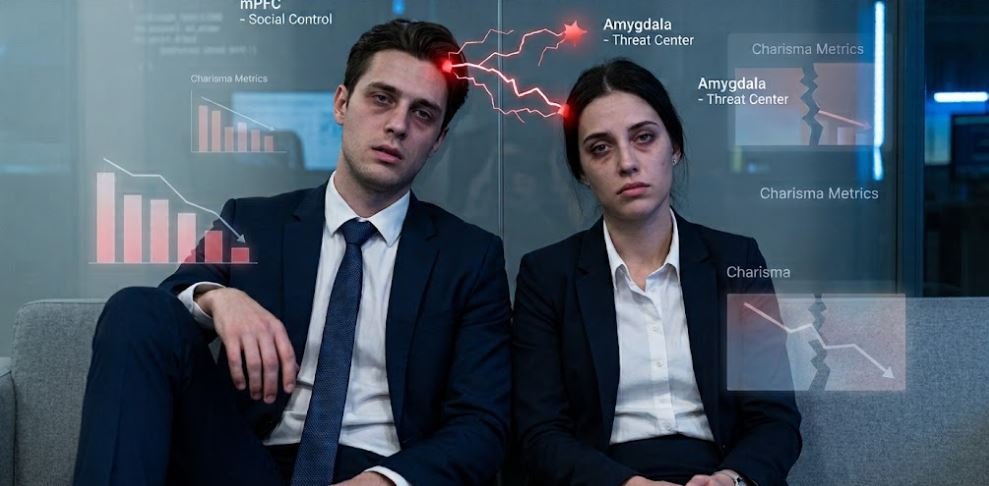
You spend hours curating your image, dressing sharply, and cultivating an aura of authority. Yet, despite your polished appearance, people seem subtly distant, meetings feel uphill, and your natural charm feels sluggish.
The problem isn’t your personal brand or your communication strategy—it is your sleep schedule. When you wear late nights like a badge of honor, your brain silently betrays your vanity. Sleep deprivation actively dismantles the neural architecture responsible for magnetic charisma, vocal warmth, and social attraction.
The Neuroscience of “Sleep-Induced Social Repulsion”
Charisma is not merely a personality trait; it is a high-level neurological output. Magnetizing leaders rely on a tight functional coupling between the medial prefrontal cortex (mPFC)—which manages executive function, emotional regulation, and social mirroring—and the amygdala, the brain’s threat center.
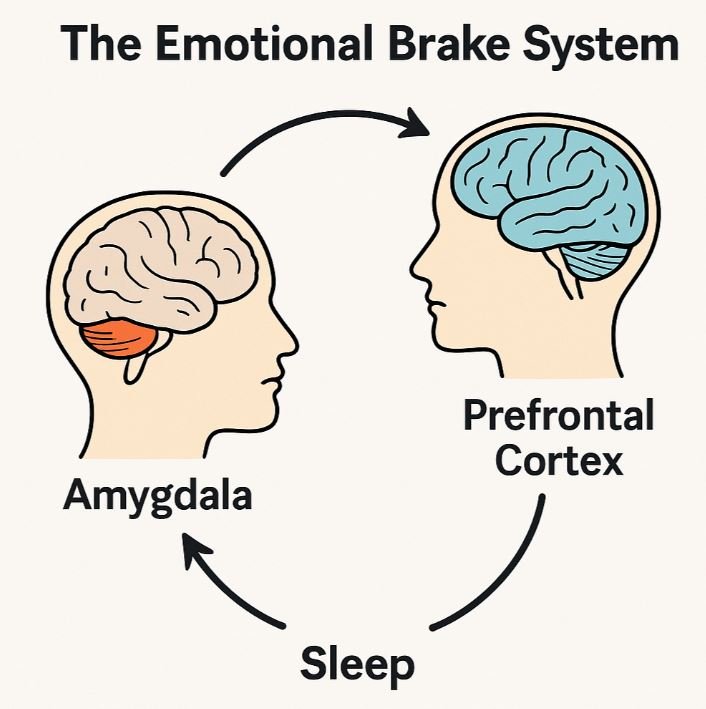
When you operate on less than seven hours of sleep, this neural bridge breaks down:
- The Amygdala Becomes Hyper-Reactive: Without sleep, the amygdala becomes up to 60% more reactive to neutral social stimuli. You begin reading neutral facial expressions as hostile or judgmental.
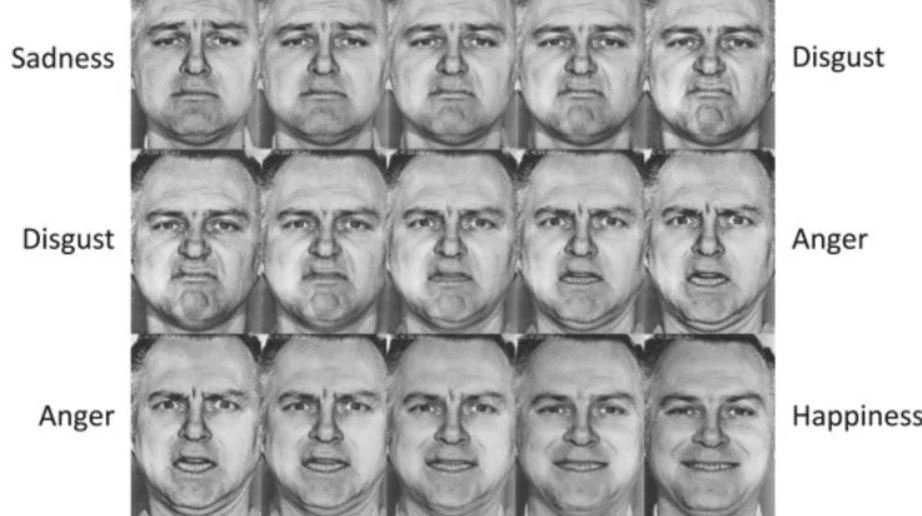
- Micro-Expression Distortion: Your face broadcasts micro-expressions of stress, judgment, and fatigue. Others sub-consciously pick up on these signals through mirror neurons, instinctively pulling away.
- Loss of Vocal Dynamics: Exhaustion flattens your pitch variance. A monotone, tired voice projects low status and reduced confidence, regardless of how compelling your message is.
7 Steps to Restore Your Magnetic Charisma Through Sleep
If you want to project effortless influence, warmth, and high status, you must optimize your sleep architecture. Here is your step-by-step guide to reclaiming your presence from the inside out.
1. Lock in the Morning Sunlight Window
Your circadian rhythm governs night-time melatonin release. Get 10 to 15 minutes of direct sunlight within 30 minutes of waking. This triggers a timely cortisol spike that sets your biological clock, guaranteeing deeper slow-wave sleep at night for optimal emotional recovery.
2. Implement the 90-Minute Pre-Event Neural Reset
Before a major presentation or social gathering, perform a 20-minute Non-Sleep Deep Rest (NSDR) session. This protocol reduces adenosine buildup in the brain, restoring vocal inflection and facial warmth so you can enter the room at peak charisma.
3. Clear Cognitive Clutter with Morning Brain Dumps
Stress-induced rumination elevates baseline night-time cortisol. Spend five minutes every morning journaling your top priorities. Offloading mental strain onto paper prevents pre-bed anxiety and keeps your prefrontal cortex sharp during key conversations.
4. Optimize Blood-Brain Barrier Magnesium Levels
Incorporate brain-penetrating magnesium forms, such as Magnesium L-Threonate or Glycinate, into your evening routine. This calms central nervous system excitation, accelerating the transition into restorative deep sleep stages.
5. Reframe “Downtime” as Peak Performance Strategy
High achievers often view sleep as lost productivity. Reframe restorative sleep as a non-negotiable performance tool—much like how elite businesses overhaul digital platforms. Just as a brand updates its identity through a comprehensive website redesign to optimize customer engagement and visual appeal, your brain requires deep sleep to refresh its neural interface and maximize social impact.
6. Protect Rapid Eye Movement (REM) Sleep Cycles
REM sleep acts as overnight therapy, stripping away the emotional reactivity of the day. Avoid alcohol and late-night blue light, both of which severely fragment REM sleep and leave you feeling socially irritable the following day.
7. Align Strategic Naps with Ultradian Rhythms
If a late night is unavoidable, schedule a 20-minute power nap between 1:00 PM and 3:00 PM. This aligns with your body’s natural afternoon circadian dip, restoring alertness without disrupting nighttime sleep onset.
References
- Yoo, S. S., Gujar, N., Hu, P., Jolesz, F. A., & Walker, M. P. (2007). The human emotional brain without sleep—a prefrontal amygdala disconnect. Current Biology, 17(20), R877-R878.
- Ben Simon, E., & Walker, M. P. (2018). Sleep loss causes social withdrawal and loneliness. Nature Communications, 9(1), 3146.
- Sundelin, T., Lekander, M., Sorjonen, K., & Axelsson, J. (2017). Negative effects of restricted sleep on facial appearance and social appeal. Royal Society Open Science, 4(5), 160918.
- Killgore, W. D. (2010). Effects of sleep deprivation on cognition. Progress in Brain Research, 185, 105-129.
- Krause, A. J., et al. (2017). The sleep-deprived human brain. Nature Reviews Neuroscience, 18(7), 404-418.
Leave a Reply