AI’s Crazy Impact on Medical Research


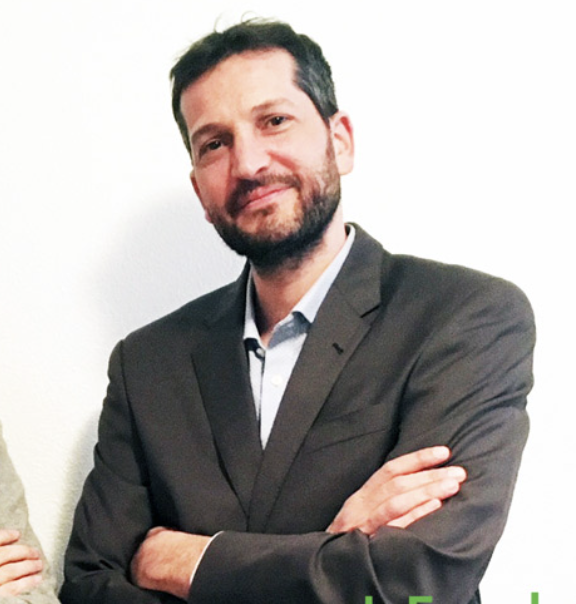
A brilliant engineer within the YouRise community named Brice (pictured left), asked me recently where I thought AI would make the greatest impact in medicine; my answer = medical research.

It will sift through huge amounts of genetic, medical, and real-world health data — like a “Google for biology” — to suggest new treatments and predict how safe or effective they’ll be before any lab work begins. Doctors and scientists will be able to create “digital twins” of patients to test different therapies in a virtual body, the way a mechanic runs diagnostics on a car model before touching the engine. AI will also run clinical trials that adjust in real time — for example, automatically changing drug dosages mid-study if early results show it works better — saving both time and money.

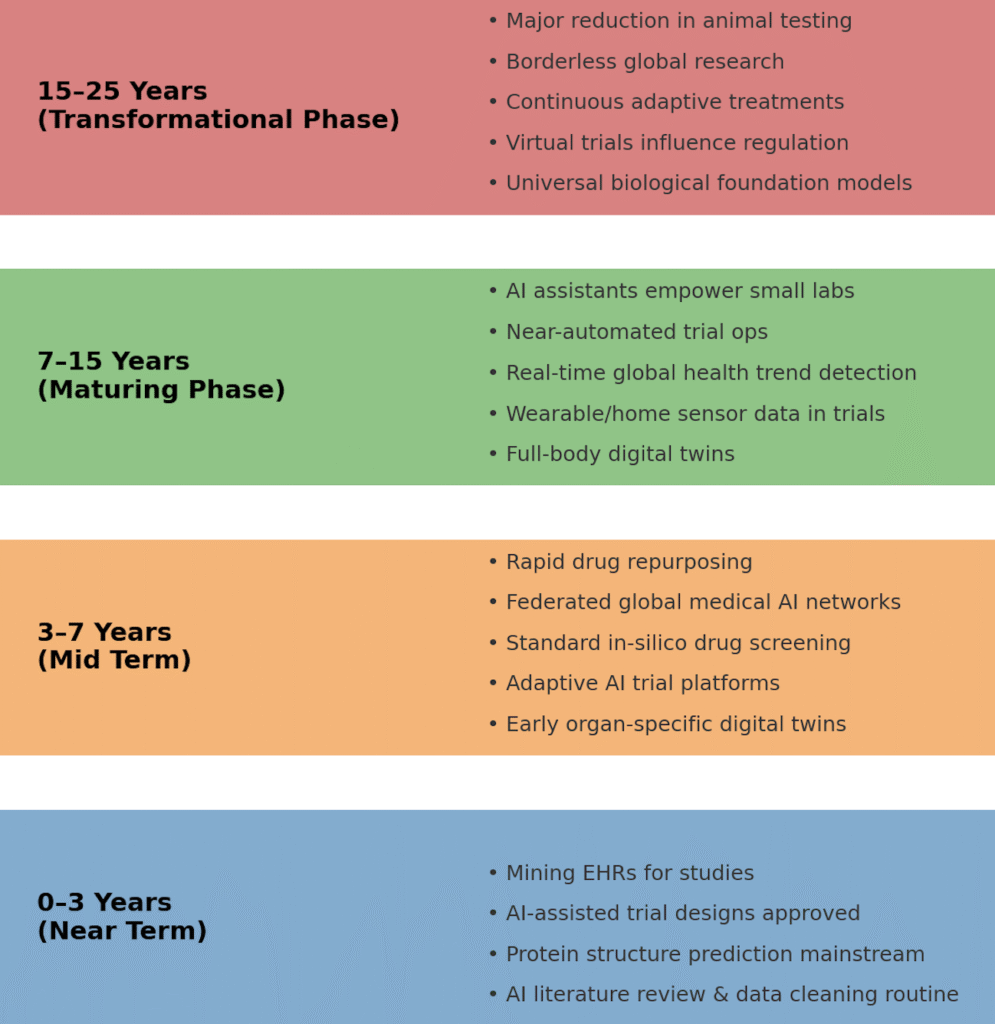
I created the timeline below to map out what this will likely look like.

AI in Medical Research – 25 Year Timeline

(Author: Jeremy / YouRise)
Related posts

  • 10 Most Common Traits Found In Depressed People

    10 Most Common Traits Found In Depressed People

    Depression is frequently misunderstood as simply feeling “very sad.” In reality, chronic depression—clinically recognized as Major Depressive Disorder (MDD) or Persistent Depressive Disorder (Dysthymia)—is a complex neurobiological condition that impacts every facet of a person’s existence. It is not a choice, a character flaw, or a state of mind that someone can simply “snap out…

  • 10 Tips On How To Raise An Autistic Child

    10 Tips On How To Raise An Autistic Child

    10 Essential Tips on How to Raise an Autistic Child: A Comprehensive Guide Parenting is a journey filled with unique milestones and unexpected turns. When you are raising an autistic child, that journey often requires a different roadmap—one paved with radical patience, specialized communication, and a deep commitment to seeing the world through your child’s…

  • How Chronic Tinnitus Becomes Hardwired in the Brain

    How Chronic Tinnitus Becomes Hardwired in the Brain

    For the vast majority of people, tinnitus begins as a fleeting ghost. It is the ringing in the ears after a loud concert, the dull hum following a bout of the flu, or the momentary whistle that vanishes as quickly as it arrived. But for a significant portion of the population, that ghost doesn’t leave.…

One response to “AI’s Crazy Impact on Medical Research”

  1. […] discussed the advantages of using AI in health in articles like this, but to have a balanced view it’s important to also understand the risks and downsides. In […]

Leave a Reply

Your email address will not be published. Required fields are marked *