
This large-scale Medicare study analyzed U.S. adults aged 65+ and found that married individuals live longer and have more active years than unmarried ones. Married men and women had 2+ years greater total and active life expectancy compared to their unmarried counterparts. However, the longevity advantage diminished with age and was partly explained by selection bias.
Life expectancy and active life expectancy by marital status among older U.S. adults: Results from the U.S. Medicare Health Outcome Survey (HOS)

Related posts
-

10 Most Common Traits Found In Depressed People
Depression is frequently misunderstood as simply feeling “very sad.” In reality, chronic depression—clinically recognized as Major Depressive Disorder (MDD) or Persistent Depressive Disorder (Dysthymia)—is a complex neurobiological condition that impacts every facet of a person’s existence. It is not a choice, a character flaw, or a state of mind that someone can simply “snap out…
-

10 Tips On How To Raise An Autistic Child
10 Essential Tips on How to Raise an Autistic Child: A Comprehensive Guide Parenting is a journey filled with unique milestones and unexpected turns. When you are raising an autistic child, that journey often requires a different roadmap—one paved with radical patience, specialized communication, and a deep commitment to seeing the world through your child’s…
-
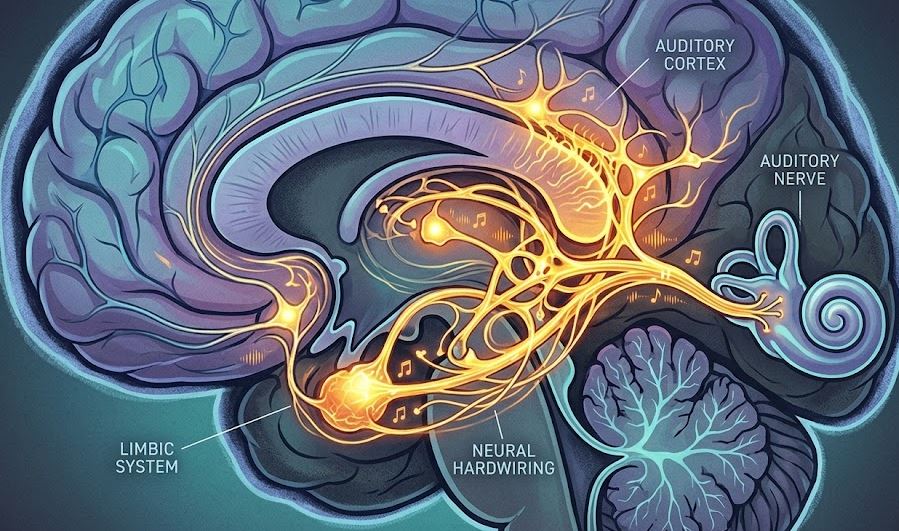
How Chronic Tinnitus Becomes Hardwired in the Brain
For the vast majority of people, tinnitus begins as a fleeting ghost. It is the ringing in the ears after a loud concert, the dull hum following a bout of the flu, or the momentary whistle that vanishes as quickly as it arrived. But for a significant portion of the population, that ghost doesn’t leave.…

Leave a Reply