Lifespan Extension Record: Reversing Cell Aging by 82%


Scientists have extended the lifespan of yeast cells by 82% using a method known as “epigenetic remodeling.” This approach involves rewiring the cells’ genetic circuitry to enhance their ability to repair damage caused by aging. Specifically, the researchers used a technique called CRISPRi to turn off certain genes involved in aging and turn on others that promote longevity. The study provides new insights into the genetic mechanisms underlying aging and suggests that similar strategies could be used to extend the lifespan of other organisms, including humans. However, further research is needed to determine the potential risks and ethical implications of such interventions.

Put another way: Scientists at the University of California, San Diego have slowed the aging process in human cells by engineering them to produce higher levels of a protein called telomerase, which helps maintain the length of telomeres, the protective caps on the ends of chromosomes. The researchers used CRISPR gene editing to insert extra copies of the telomerase gene into human cells, which resulted in the cells dividing more times than normal and showing signs of reduced aging. While the study was conducted in cells in the laboratory and not in living organisms, it provides new insights into the potential for genetic interventions to slow the aging process and extend lifespan.

Sources include:

https://today.ucsd.edu/story/scientists-slow-aging-by-engineering-longevity-in-cells
Related posts

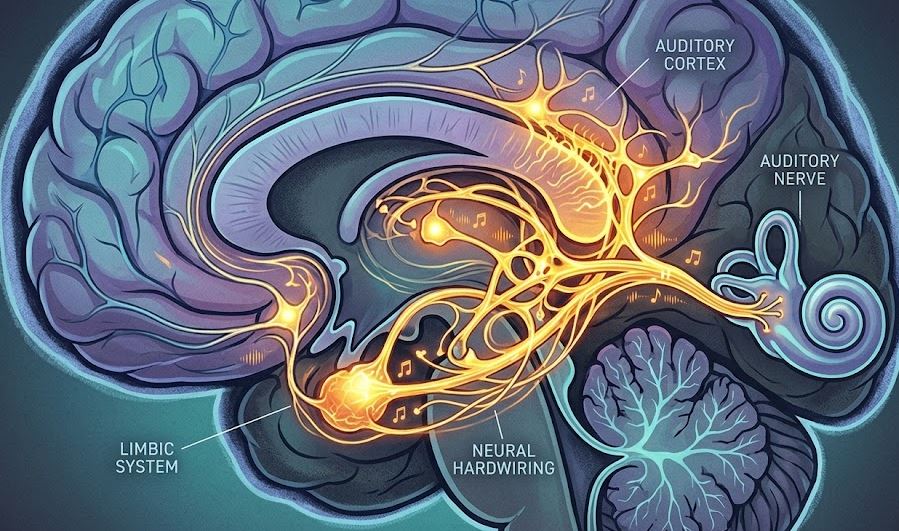
  • How Chronic Tinnitus Becomes Hardwired in the Brain

    How Chronic Tinnitus Becomes Hardwired in the Brain

    For the vast majority of people, tinnitus begins as a fleeting ghost. It is the ringing in the ears after a loud concert, the dull hum following a bout of the flu, or the momentary whistle that vanishes as quickly as it arrived. But for a significant portion of the population, that ghost doesn’t leave.…

  • The Neuroscience of Habit Formation: How to Rewire Your Brain

    The Neuroscience of Habit Formation: How to Rewire Your Brain

    We are, in many ways, the sum of our habits. From the specific sequence in which you brush your teeth to the way you react when a deadline looms, our daily lives are governed by deep-seated neural pathways. But have you ever wondered why some habits—like checking your phone the moment you wake up—are incredibly…

  • Understanding Brain Fog: What Causes It and How to Improve Clarity

    Understanding Brain Fog: What Causes It and How to Improve Clarity

    Brain fog has become one of the most commonly searched cognitive concerns in recent years. People describe it as feeling mentally “sluggish,” “cloudy,” “disconnected,” or “not fully present.” While it’s not a medical diagnosis, brain fog is a real and frustrating experience that affects focus, memory, processing speed, and overall mental sharpness. This article explores…

Leave a Reply

Your email address will not be published. Required fields are marked *