
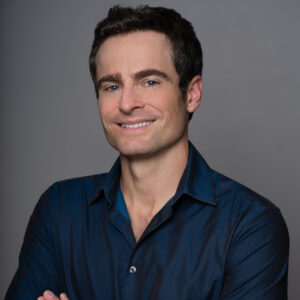
Mike Fremont didn’t become competitive until he was 88. That’s when he got first place in a race.
How did Mike achieve this at an age when many struggle to even walk? Read on to find out.
Mike’s three keys to a long, active life are not surprising: daily exercise, a healthy diet, and volunteering for a cause he believes in. Here’s what is shocking. Mike feels strongly that by making these lifestyle changes decades ago and staying committed to them, he reversed terminal cancer.
Today, Mike is a centenarian–a person who has been alive for over 100 years. He also became an elite marathoner at the age of 88, holding multiple world records. He has achieved his highest levels of fitness later in life with just a few simple habits:
- The belief that getting older is a privilege instead of something to fear
- Having a sense of purpose by giving back to his community
But Mike wasn’t always this way.
Mike only adopted his current lifestyle because he was about to die.
At 69, he was diagnosed with colon cancer. His doctor gave him three months.
With nothing to lose, Mike decided to fight. He switched to a strict, whole foods-only plant-based diet and started daily workouts. With just those simple changes, his arthritis and chapped began to dissipate. After surgery to remove the tumor, Mike has been in remission ever since.
What sets Mike apart from countless others who want to improve their health? Commitment to follow through on conviction.
None of Mike’s health habits are groundbreaking. It’s widely understood that eating more plants and getting more exercise is better for you. But Mike is living proof of the difference that these habits can make. Even if something like a strict diet isn’t part of your lifestyle, positive habits do have a huge impact over time. And to add to this, using Mike’s example as an illustration – having a sense of gratitude and purpose has a postive impact on overall health.
It’s impossible to know whether Mike’s lifestyle was the sole reason he went into remission. But it certainly played a significant role.
Thanks to Mike, it’s clear: it’s possible to live a longer, healthier life than we ever may have imagined.
***
GETTING MORE INSIGHT INTO THE POTENTIAL SCIENTIFIC FOUNDATION OF MIKE’S PROGRESS
It’s not just DNA – the epigenome has a powerful effect on aging.
You’ve probably heard of DNA, the hereditary material in almost every living organism. One of the factors that can influence aging is DNA damage. Stress, poor diet, environmental factors like pollution, and lack of exercise can make your DNA degrade. This leads to the illness and degrading of health associated with aging.
But what is the epigenome? It’s a layer of information that acts like a “volume knob” on DNA. It’s not just DNA – it literally controls how much of certain genes are activated.
How can this be? Epigenetics is the process of turning genes on and off. Identical twins have the same epigenome. That’s why they look so much alike. But that epigenome can be different later in life. And that’s how the environment can literally change your genetic expression.
The epigenome controls which genes are activated.
Many practices, like meditation, physical exercise, and a nutritious diet, can actually change the epigenome. The epigenome can be altered by the simple wisdom of taking care of your body and brain.


Leave a Reply