

-
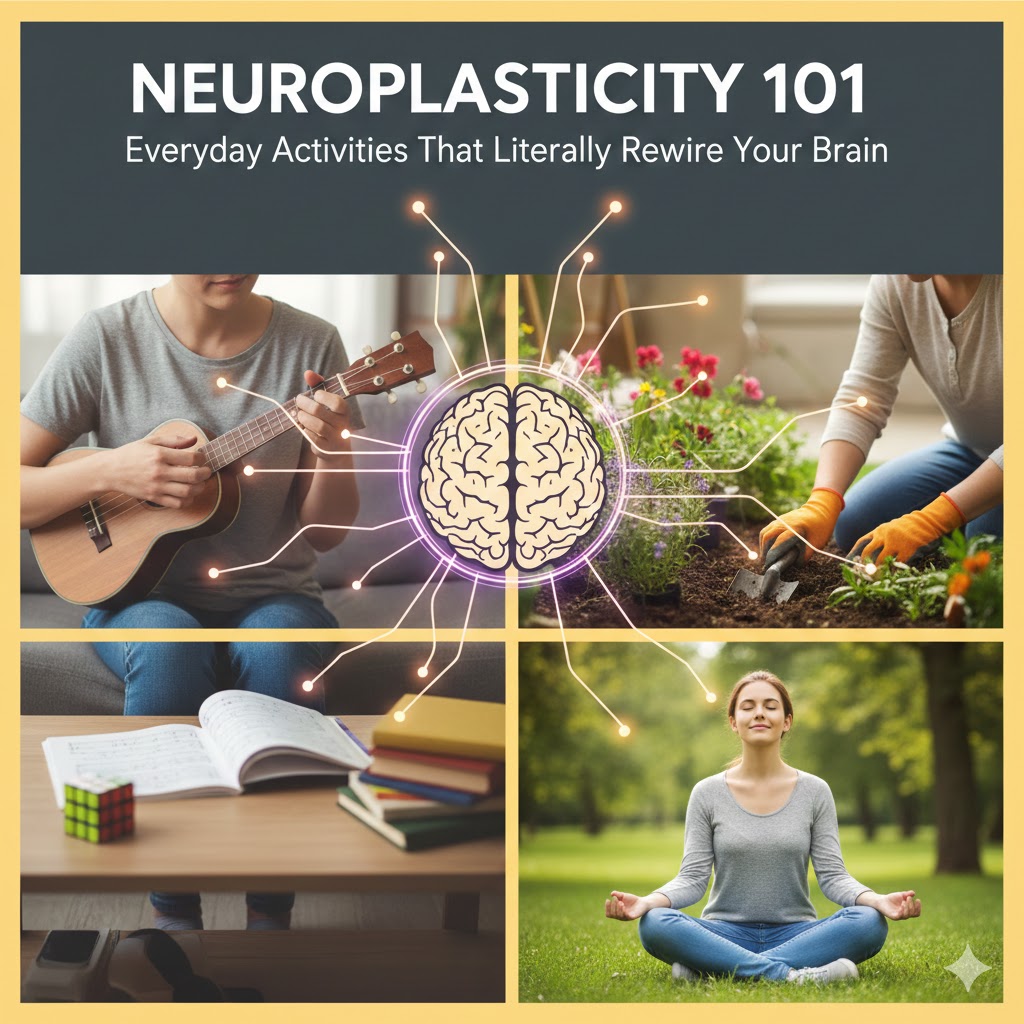
Neuroplasticity 101: Everyday Activities That Literally Rewire Your Brain
Read more: Neuroplasticity 101: Everyday Activities That Literally Rewire Your BrainThe human brain is not a fixed machine; it is a living, changing network that constantly reshapes itself in response to what you do, think, and experience. This ability to change is called neuroplasticity, and it is one of the most hopeful ideas in modern brain science. It means your daily choices can either reinforce old…
-
7 Ways Sleep Deprivation Kills Your Charisma & How to Fix It
You spend hours curating your image, dressing sharply, and cultivating an aura of authority. Yet, despite your polished appearance, people seem subtly distant, meetings feel uphill, and your natural charm feels sluggish. The problem isn’t your personal brand or your communication strategy—it is your sleep schedule. When you wear late nights like a badge of…

-
8 Ways to Fix Brain Fog and Boost Mental Clarity
When you pride yourself on quick thinking, clear communication, and staying sharp, mental sluggishness can feel frustrating. Feeling unfocused or sluggish isn’t just annoying—it dims your confidence and slows down your day. Many people try to push through cognitive fatigue while keeping up appearances, but struggling to focus creates unnecessary daily stress. Learning how to…
-
Tired or Burnt Out? Reset Neural Fatigue in 72 Hours
Have you ever closed your laptop at the end of the workday feeling completely drained, even though you sat at a desk all day? You didn’t run a marathon, but making simple choices feels impossible, your focus is gone, and your brain feels like slush. Most people blame general stress or digital burnout. But there…
-
Beauty Reset: How To Regulate Your Nervous System to Glow
When we talk about achieving glowing skin, a sculpted jawline, or bright, rested eyes, the conversation almost always turns to high-end topical skincare, invasive cosmetic treatments, or strict dietary protocols. We purchase serum after serum, schedule monthly facials, and track our daily hydration levels with extreme precision. Yet, despite investing significant time and financial resources…
-
How Mental Health Boosts Attractiveness: A Mindset Fix
When we think about what makes someone attractive, good looks, a nice smile, and great style usually come to mind first. But psychological research shows that physical appearance is only part of the story. Real, lasting attraction—the kind that makes people genuinely want to be around you—comes down to your mental health, emotional stability, and…
-
Top 10 Ways To Get Better Sleep At Night Explained
Modern life seems almost custom-designed to disrupt our natural sleep architecture. Between the relentless glow of digital screens, erratic work hours, high stress levels, and inconsistent daily schedules, millions of adults find themselves tossing and turning night after night. However, quality sleep is not a luxury or an optional luxury pass for the health-conscious; it…
-
RISE Sleep App Review: Can It Master Your Energy?
In a world full of smart watches, fitness rings, and mattress sensors, most sleep trackers try to grade your night’s rest with a single number. You wake up, open an app, and see a “Sleep Score” of 78 out of 100. But what does that score actually mean for your day? If you slept poorly…
-
An Honest Review of Whoop as a Dedicated Sleep Tracker
If you have ever woken up feeling like you were hit by a freight train despite spending eight hours in bed, you are not alone. Millions of people struggle with sleep quality without ever understanding why. Over the last few years, fitness wearables have shifted focus from just counting steps to solving the mystery of…
-
Always Tired? How Oura Ring Tracks Real Sleep Recovery
Do you ever wake up after sleeping for eight full hours, only to drag yourself out of bed feeling like you barely rested? You poured a second cup of coffee before noon, pushed through afternoon brain fog, and wondered why your body still feels so exhausted. You are not alone. Millions of people struggle with…
-
Go to Bed 20% Earlier—and Get 30% More Out of Your Day
We’ve all been there: it’s 11:30 PM, you’re staring at a screen, and you tell yourself, “Just 15 more minutes.” Before you know it, it’s well past midnight. The next morning, you hit snooze three times, stumble to make coffee, and spend the first half of your workday dragging yourself through basic tasks. Most productivity…
Search
Categories
- Alzheimer’s Disease (2)
- Anxiety (5)
- Autism (1)
- Brain & Nervous System (14)
- Cancer & Oncology (1)
- Cognitive Performance (6)
- Consciousness & Technology (3)
- Depression (3)
- Digestive & Gut Health (1)
- Eating Disorders (1)
- Endocrine & Metabolic (1)
- Epilepsy (1)
- General Body & Wellness (12)
- Health News (4)
- Mental Health (6)
- Newsletter (1)
- Parkinson’s Disease (2)
- Podcast transcripts (5)
- Psychiatry (3)
- Research (3)
- Schizophrenia (2)
- Shop (1)
- Sleep Disorders (2)
- Sleep Health (18)
- Uncategorized (6)
- Videos (4)
- Vision Health (1)
The YouRise Podcast on Spotify
Get access to world class business and health insights, from your host Jeremy. Historical clips are displayed; subscribe for exciting new episodes.
The YouRise Podcast Transcripts
All the podcast episodes are also available as transcripts